
Winter is just around the corner, and that means it’s time to start thinking about transitioning to winter tires. While many people may underestimate the importance of this seasonal switch, choosing the right time for winter tire installation can greatly impact your safety on the road. So when should you consider making the transition? In this blog post, we will dive into the optimal timing for switching to winter tires and explore some key factors to consider along the way. From signs to look out for to tips on effective transition, we’ve got you covered. Let’s ensure your vehicle is ready for whatever Jack Frost throws our way!
Here Is How to Determine the Right Time for Winter Tire Change
As the temperatures start dropping and the first signs of winter appear, it’s important to assess whether it’s time to switch to winter tires. But how do you know when is the right time? Here are some key signs to look out for:
1. Decreasing Traction: If you notice that your vehicle has less grip on slippery surfaces or struggles to maintain control on icy roads, it could be a clear indication that your all-season tires are not providing sufficient traction anymore.
2. Cold Weather Forecast: Keep an eye on the weather forecast. When temperatures consistently drop below 45 degrees Fahrenheit (7 degrees Celsius), it’s a good indicator that winter tire performance will surpass that of all-season tires.
3. Tire Wear and Depth: Inspect your tires regularly for signs of wear, such as uneven tread patterns or low tread depth. Winter tires have deeper treads designed specifically for enhanced grip in snowy conditions, so if your current tires’ tread depth is nearing 6/32 inches (4-5 mm) or lower, it may be time for a change.
Remember, switching to winter tires at the right time ensures maximum safety and performance during cold weather conditions!
How do I know if my tires are okay for winter?
To determine if your tires are suitable for winter conditions, you can follow these steps:
- Check for the three-peaked mountain and snowflake symbol: Look for this symbol on the sidewall of your tires. Tires with this symbol provide the best traction in winter conditions. They are made of a rubber compound that stays soft in cold temperatures, allowing for a better grip on icy and snowy roads.
- Check the tread depth: Adequate tread depth is crucial for proper traction on slippery roads. You can use the penny test or the quarter test to check your tread depth.
- Penny test: Insert a penny into the tread grooves of your tire with Lincoln’s head pointing down. If you can see the top of Lincoln’s head, it indicates that your tire’s tread is worn down and may not provide sufficient traction. Consider replacing your tires.
- Quarter test: Stick a quarter into the tire grooves at several spots with George Washington’s head upside down. If the top of Washington’s head is visible, it suggests that your tire’s tread is shallow and may not be suitable for winter conditions. It is advisable to replace your tires.
- Consider the age and condition of your tires: Even if your tires have sufficient tread depth, it is important to consider their age and condition. Tires older than six years may be more susceptible to cracking and losing their grip. Inspect your tires for any signs of damage, such as cuts, bulges, or uneven wear patterns. If you notice any issues, it is recommended to have them inspected by a professional.
- Evaluate your driving conditions: Determine the type of weather and road conditions you typically encounter during the winter. If you frequently drive in areas with heavy snowfall or icy roads, it is advisable to invest in dedicated winter tires. All-season tires can perform reasonably well in more moderate winter conditions, but they may not offer the same level of traction as winter tires.
Remember, having properly maintained and suitable tires for winter is essential for your safety on the road. If in doubt about the condition of your tires, consult a professional or visit a tire shop for a thorough inspection.
Read More About Our Recommended Winter Tires
How soon is too soon for winter tires?
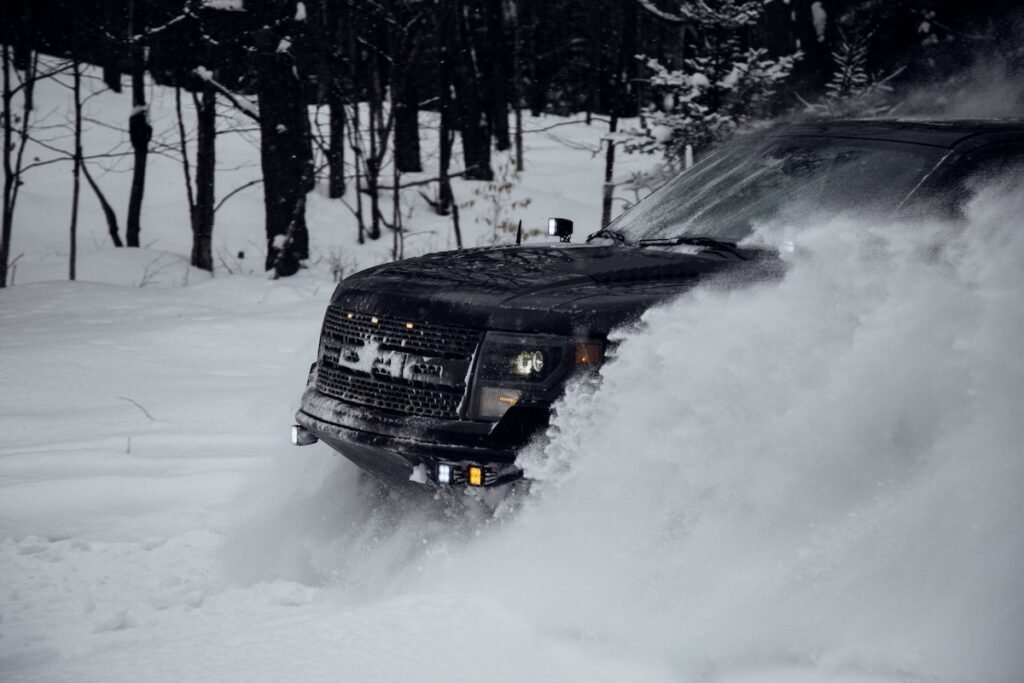
The timing for installing winter tires depends on various factors such as your location, climate, and driving conditions. However, a general guideline is to have your winter tires installed before the first snowfall or when temperatures consistently drop below 45°F (7°C).
Installing winter tires too early may result in accelerated wear, increased road noise, and reduced fuel efficiency. On the other hand, waiting too long can be risky if you encounter unexpected winter weather.
To determine the best time to install winter tires, consider the following:
- Consult local weather forecasts: Keep an eye on weather reports and pay attention to any predictions of early snowfall or cold temperatures. This can help you plan ahead and ensure you have your winter tires on in time.
- Monitor temperature changes: As temperatures start to consistently drop below 45°F (7°C), it’s a good indication that winter tire performance will benefit you. Remember, winter tires are designed with a rubber compound that remains pliable in cold temperatures, providing better traction on icy and snowy roads.
- Consider your driving habits: If you live in an area where winter conditions are common or you frequently drive on snowy or icy roads, it’s advisable to install your winter tires earlier. It’s better to be prepared than caught off guard by early-season winter weather.
- Schedule an appointment in advance: Keep in mind that many people wait until the last minute to install their winter tires, which can lead to long wait times at tire shops. To avoid the rush, make an appointment in advance and have your winter tires installed before the demand increases.
Ultimately, it’s better to err on the side of caution and have your winter tires installed a bit early rather than waiting too long. Prolonged exposure to winter conditions without appropriate tires can compromise your safety on the road.
What is the snowflake symbol on winter tires?
The snowflake symbol on winter tires represents their designation as “winter tire” or “snow tire” and indicates that they meet specific requirements for winter traction performance. This symbol is often referred to as the “three-peaked mountain and snowflake symbol.”

The snowflake symbol is a standardized symbol recognized internationally and is regulated by various organizations, such as the Rubber Manufacturers Association (RMA) in the United States and the Tire and Rim Association (TRA) in Canada.
Tires bearing the snowflake symbol are designed specifically for winter conditions, including snow, ice, and cold temperatures. They are constructed using a different rubber compound that remains more pliable in low temperatures, offering improved grip and traction on slippery surfaces.
These winter tires undergo rigorous testing to ensure their performance meets or exceeds certain standards for snow traction. The specific requirements for earning the snowflake symbol can vary based on the region or organization, but generally, these tires are engineered with unique tread patterns and siping (small slits in the tread blocks) to enhance traction on snow and ice.
When shopping for winter tires, look out for the snowflake symbol on the sidewall of the tire. This symbol indicates that the tire has been tested and approved for winter conditions, making it a reliable choice for safer driving during the winter months.
What does the M and S mean on tires?
The “M” and “S” markings on tires stand for “Mud” and “Snow,” respectively. These markings indicate that the tire is designed to provide better traction in muddy and snowy conditions compared to standard or summer tires.
The “M+S” designation is an older industry standard that was used to classify all-season tires, suggesting that they had some level of capability in both mud and snow. However, it is important to note that not all tires with the “M+S” marking offer the same level of winter performance as dedicated winter tires. All-season tires can handle a range of weather conditions, including light snow and wet surfaces, but they may not provide the same level of grip and traction as winter-specific tires on icy or heavily snow-covered roads.
In recent years, the industry has moved towards using the three-peaked mountain and snowflake symbol we discussed earlier to designate tires that meet specific winter performance standards. This symbol provides a clearer indication of a tire’s winter capabilities, so it is recommended to look for tires with this symbol if you live in an area with harsh winter conditions.
To summarize, the “M” and “S” markings on tires indicate that they have been designed to provide improved performance in muddy and snowy conditions compared to standard tires. However, for optimal winter traction, it is advisable to choose tires with the three-peaked mountain and snowflake symbol, as they meet specific winter performance standards.
How to tell the difference between winter tires and all-season tires?
Differentiating between winter tires and all-season tires can be done by considering a few key factors:
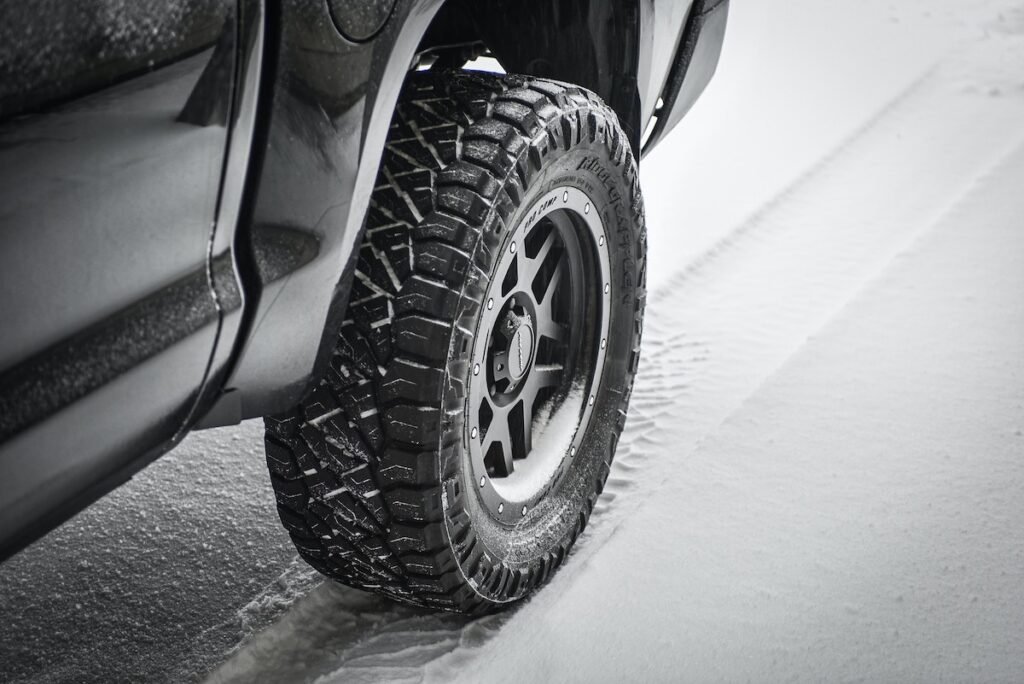
Tread Pattern: Winter tires usually have a more aggressive tread pattern compared to all-season tires. They feature larger, wider grooves and more sipes (small slits) on the tread blocks. These design elements help improve traction on snowy and icy surfaces by effectively channeling snow, slush, and water away from the tire’s contact patch.
Rubber Compound: Winter tires are made with a specialized rubber compound that remains pliable in cold temperatures. This allows them to maintain flexibility and grip on icy and snowy roads. All-season tires, on the other hand, are designed with a rubber compound that provides a balance of performance in different weather conditions throughout the year but may not offer the same level of grip as winter tires in severe winter conditions.
Winter Performance Designations: Look for specific symbols on the sidewall of the tire. Winter tires are identified by the three-peaked mountain and snowflake symbol. This symbol indicates that the tires have been tested and meet certain standards for winter traction. All-season tires may have an “M+S” marking, which implies they have some capability in mud and snow, but it is important to note that this designation does not necessarily guarantee optimal winter performance.
Weather Conditions: Consider the climate and driving conditions you typically encounter. If you live in an area with heavy snowfall, prolonged icy conditions, or sub-freezing temperatures, dedicated winter tires are highly recommended for their superior traction. All-season tires, while versatile, are generally not specifically designed for extreme winter conditions.
Driving Preferences and Safety: If you prioritize safety and optimum performance in winter conditions, investing in a set of winter tires is advisable. Winter tires provide increased grip, shorter braking distances, and improved stability on slippery surfaces compared to all-season tires.
It’s worth noting that all-season tires are designed to provide decent performance in various weather conditions, including light snow and wet surfaces. They offer convenience as they eliminate the need for seasonal tire changes. However, it’s important to remember that they may not provide the same level of traction and control as winter tires in severe winter conditions.
Ultimately, deciding between winter tires and all-season tires depends on your specific needs, driving conditions, and prioritization of winter performance. It’s recommended to consult with a tire professional or research thoroughly to determine the most suitable option for your circumstances.
What temperature is too cold for summer tires?
Summer tires are designed to provide optimal performance in warm weather conditions. As temperatures drop, the rubber compound of summer tires begins to harden, resulting in reduced traction and grip. Therefore, it is generally recommended that summer tires should not be used in temperatures below 45°F (7°C).
Once the temperature falls below this threshold, summer tires may struggle to maintain grip on cold surfaces, including wet and icy roads. The reduced traction can lead to longer braking distances, compromised handling, and an increased risk of accidents.
It’s important to note that the 45°F (7°C) guideline serves as a rough estimate, and the specific performance of a summer tire can vary based on factors such as tire composition, tread pattern, and driving style. However, to ensure safety and best performance, it is advisable to switch to winter tires when temperatures approach or consistently fall below 45°F (7°C) or when winter driving conditions become prevalent in your area.
If you live in an area with frequent winter weather or sub-freezing temperatures, it is highly recommended to invest in dedicated winter tires for improved grip and traction when compared to summer tires. Winter tires are made with a specialized rubber compound that remains softer and provides better traction in cold temperatures, making them more suitable for winter driving conditions.
Understanding the Importance of Winter Tires
When it comes to winter driving, having the right tires can make all the difference. Winter tires are specifically designed to provide better traction and handling on snow-covered and icy roads. They have unique tread patterns and rubber compounds that allow them to maintain grip in low temperatures. This means increased control, improved braking performance, and reduced chances of skidding or sliding.
Regular all-season or summer tires may harden in cold weather, reducing their ability to grip the road effectively. Winter tires, on the other hand, stay flexible even in freezing temperatures, ensuring optimal contact with the road surface. This enhanced traction can greatly improve your vehicle’s stability and maneuverability when navigating through snowy or slushy conditions.
It’s important to understand that winter tire installation is not just about complying with regulations; it’s about prioritizing safety for you and others on the road. By investing in a set of quality winter tires and understanding their importance, you’ll be taking a proactive step toward ensuring a safer winter driving experience. So let’s explore when exactly you should consider making this transition!
When Should You Consider Transitioning to Winter Tires?
Understanding the Importance of winter tires is crucial for safe and efficient driving during the colder months. But when exactly should you switch to winter tires? The answer depends on a few factors.
First, consider the average temperature in your area. If temperatures consistently drop below 45 degrees Fahrenheit (7 degrees Celsius), it’s time to start thinking about transitioning to winter tires. These specialized tires are designed with a unique rubber compound that remains flexible even in freezing temperatures, providing better traction on icy or snowy roads.
Second, take into account your local weather patterns and forecasts. If you live in an area prone to early snowfall or frequent winter storms, it’s wise to make the transition earlier rather than later. Waiting until the first snowfall can leave you scrambling for appointments at tire shops and potentially driving in unsafe road conditions.
Pay attention to any signs indicating that your current tires may not be suitable for winter driving. If you notice reduced grip or slipping while braking or turning on cold surfaces, it’s likely time for new tires. Don’t wait until accidents happen; prioritize safety by transitioning to winter tires before these issues arise.
By considering these factors and monitoring signs of deteriorating tire performance, you can determine precisely when it’s necessary to switch to winter tires – ensuring optimal safety and control as you navigate through icy roads and snowy conditions this coming season.
Factors to Consider for Winter Tire Transition
- Weather conditions: The most important factor to consider when transitioning to winter tires is the weather conditions in your area. If you live in an area that experiences heavy snowfall, icy roads, or freezing temperatures during the winter months, it’s crucial to switch to winter tires for better traction and control.
- Road type: Another factor to consider is the type of roads you frequently drive on. If you often travel on hilly or mountainous terrain, where road conditions can be treacherous during winter, having winter tires with superior grip becomes even more essential.
- Driving habits: Your driving habits also play a role in determining when to transition to winter tires. If you tend to drive long distances or frequently commute on highways, it’s advisable to make the switch earlier than others since these routes are typically cleared less promptly after a snowstorm.
Remember, ensuring safety should be your top priority when deciding on the right time to transition from all-season or summer tires to dedicated winter tires.
The Benefits of a Timely Switch to Winter Tires
When it comes to transitioning to winter tires, timing is everything. Making the switch early in the season can offer a range of benefits that ensure your safety and peace of mind on icy roads.
Early installation allows you to take advantage of optimal traction and grip from the very start of winter. Winter tires are specifically designed with unique tread patterns and rubber compounds that enhance performance in cold temperatures, providing superior control on slippery surfaces. By switching early, you can maximize their effectiveness throughout the entire winter season.
Getting ahead of the rush ensures availability and choice when it comes to selecting your winter tires. As demand increases closer to wintertime, certain tire models may become scarce or even sold out. By making the switch earlier, you have a better chance of finding exactly what you need for your vehicle without having to compromise or settle for less suitable options.
An early transition means more time for proper installation and maintenance. Taking your vehicle to a trusted mechanic or tire specialist allows them ample time to mount and balance your new set of tires correctly. Additionally, scheduling this service before inclement weather hits means avoiding long wait times at busy auto shops where everyone else is rushing in at once.
By opting for an early switch to winter tires, you can enjoy improved traction and handling right from the beginning of winter while ensuring greater availability and allowing sufficient time for professional installation – all leading to safer driving conditions during those frosty months ahead!
Tips for Transitioning to Winter Tires Effectively
Proper installation and maintenance of winter tires are essential for a safe and effective transition. Start by thoroughly cleaning your tires and rims to remove any dirt or debris that could affect their performance. Ensure that the tire pressure is at the recommended level, as cold temperatures can cause it to drop. Additionally, make sure your tires have sufficient tread depth for optimal traction on snowy or icy roads.
Choosing the right winter tires for your vehicle is crucial for a smooth transition. Look for tires with a designated snowflake symbol, indicating that they meet specific standards for winter driving conditions. Consider factors such as tire size, tread pattern, and rubber compound when selecting your winter tires. Consult with a professional if you need guidance in choosing the best option based on your vehicle’s specifications.
Remember to rotate your winter tires regularly to promote even wear and prolong their lifespan. Once spring arrives, store them properly in a cool and dry place until they are needed again next year.
By following these tips for transitioning to winter tires effectively, you can ensure improved safety during harsh weather conditions while maximizing the durability of your investment!
Proper Installation and Maintenance of Winter Tires
Installing winter tires correctly is crucial for their optimal performance. Start by ensuring that your tires are the correct size and type recommended for your vehicle. Consult your owner’s manual or a tire professional if you’re unsure.
When it comes to installation, always follow the manufacturer’s instructions. This includes properly torquing the lug nuts to ensure they are secure but not over-tightened. Remember to check the tire pressure regularly throughout the winter season as cold temperatures can cause fluctuations.
Maintaining winter tires is just as important as installing them correctly. Regularly inspect them for any signs of damage, such as cuts or punctures, and have them repaired or replaced immediately if necessary. Additionally, make sure to rotate your tires regularly to promote even wear and extend their lifespan.
By following these guidelines for proper installation and maintenance, you’ll maximize the safety and effectiveness of your winter tires throughout the colder months!
Choosing the Right Winter Tires for Your Vehicle
Choosing the right winter tires for your vehicle is crucial to ensure optimal safety and performance during the colder months. There are a few key factors to consider when making this decision.
You should check your vehicle’s manual or consult with an expert to determine the recommended tire size and specifications. This will help ensure that you choose winter tires that are compatible with your specific make and model.
Consider the type of winter conditions you typically encounter. Are you driving mainly on icy roads or snowy terrain? Different types of winter tires offer varying levels of traction and grip in different weather conditions, so it’s important to select the ones that best suit your needs.
Look for reputable brands known for their quality and reliability. Investing in high-quality winter tires from trusted manufacturers can provide peace of mind knowing that they have been designed to handle harsh winter conditions effectively.
By taking these factors into account, you can make an informed decision when choosing the right winter tires for your vehicle, ensuring safer travels throughout the cold season.
Final Thoughts on the Timing of Winter Tire Transition
Transitioning to winter tires at the right time is crucial for ensuring your safety and maintaining optimal performance during the cold months. As we have discussed, there are several factors to consider when deciding when to make the switch.
Remember that temperature plays a significant role in determining when you should transition to winter tires. It’s generally recommended to make the change once temperatures consistently drop below 7 degrees Celsius (45 degrees Fahrenheit). This ensures that your vehicle has proper traction and handling capabilities on icy, snowy, or wet roads.
Additionally, signs such as decreased grip, longer stopping distances, or sliding while driving can indicate that it’s time for a tire change. Pay attention to these cues and don’t hesitate to switch over if you notice any of them.
Transitioning early has its benefits too. By installing winter tires before extreme weather conditions hit, you’ll be well-prepared and avoid potential risks associated with driving on inadequate tires. Early transitioning also allows for smoother scheduling of appointments at tire shops since they tend to get busier as winter approaches.
Proper installation and maintenance of your winter tires are essential for their effectiveness throughout the season. Ensure they are mounted correctly with appropriate air pressure levels, and regularly inspect them for any damage or wear. This will help maximize their lifespan and performance.
Choosing suitable winter tires specific to your vehicle type and driving needs is crucial. Look for those with excellent traction capabilities on snow-covered surfaces while providing stability on dry pavement as well.
Timing is everything when it comes to transitioning from all-season or summer tires to winter ones. By considering various factors like temperature changes, signs of decreased performance, early transitioning benefits, proper installation/maintenance practices, and selecting appropriate winter tire models – you’ll ensure a safer journey during wintertime.
So mark your calendars or set reminders because getting those winter wheels rolling at the right time will help you conquer any challenging road conditions winter throws your